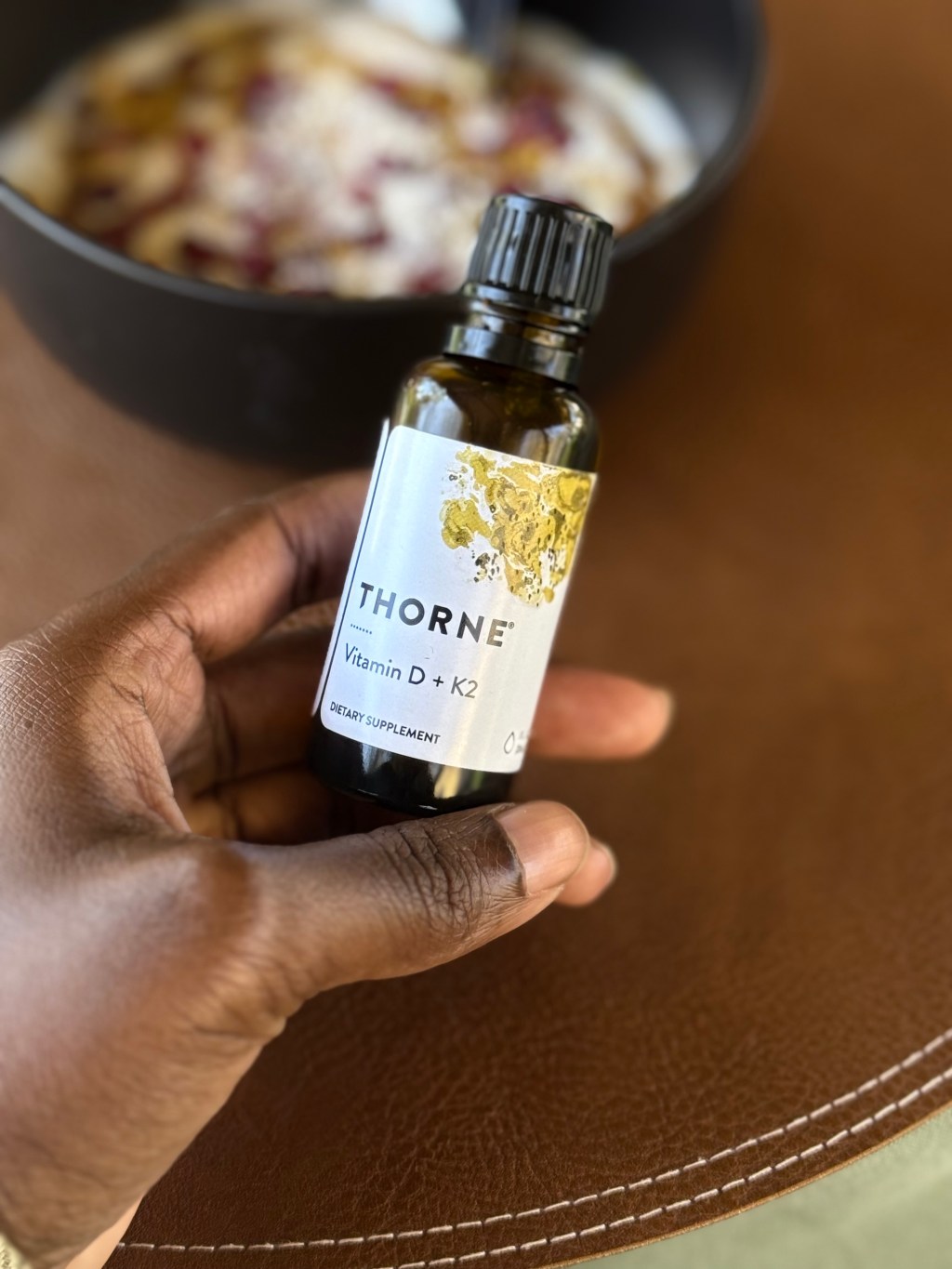
Disclosure: I may receive products as gifts from brands and may earn a commission when you shop through my affiliate links, at no extra cost to you. I share my honest experience either way.
Vitamin D is the most popular nutrient discussed online right now and it has a reason to be. Within the Black community, Black women, children, and men are prone to vitamin D deficiencies from not just dark skin complexion.
What I’ve noticed is the focused on vitamin D prioritization and supplementation without combining vitamin D with nutrients that best help absorb, activate, and retain in the body. Within this post, I will explain which nutrients to prioritize within food first.
What Best Absorbs Vitamin D?
Vitamin D is a fat soluble vitamin. Without the fat, it has a poor absorption rate in the small intestines. Don’t over complicate. What improves vitamin D absorption are high quality fats!
Vitamin D rich foods or supplements can be paired with olive oil, tallow, edible shea butter, ghee, coconut milk, egg yolks, or an avocado in a meal. This helps improve the overall absorption of vitamin D naturally.
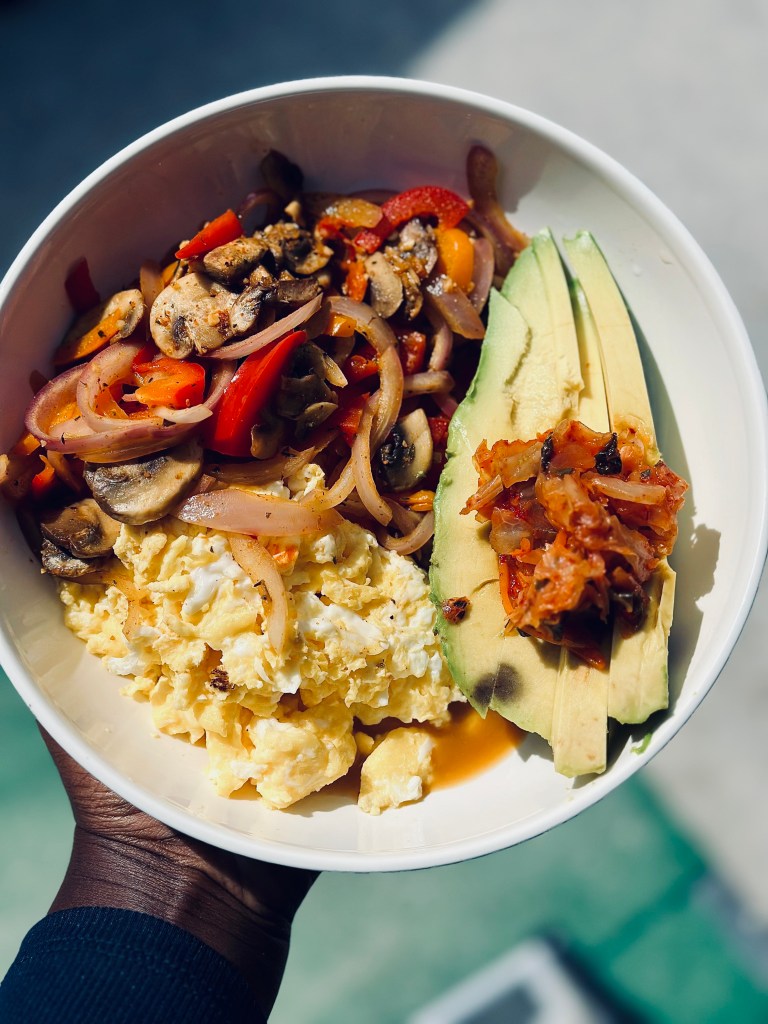
All the co-factors and vitamin D itself are on my plate. Sun charged mushrooms gives me D2, eggs give me D3 and other nutrients, while the Carib pear (avocado) and olive oil allows me to absorb the fat soluble nutrient like vitamin D. My morning plates are highly intentional of fat and protein to absorb these nutrients but to give me fuel for long periods of time.
Which Nutrient Best Activate Vitamin D?
We’ve established that vitamin D needs fat in order for our body’s to absorb, but most people are deficient in the next nutrient that improves vitamin D activation.
That nutrient is magnesium. Over half of the population is deficient in magnesium. Magnesium is the required co-factor for vitamin D to undergo a biological mechanism called enzymatic hydroxylation. This helps convert inactive vitamin D into the active form of vitamin D known as 1,25-dihydroxyvitamin D (calcitriol).
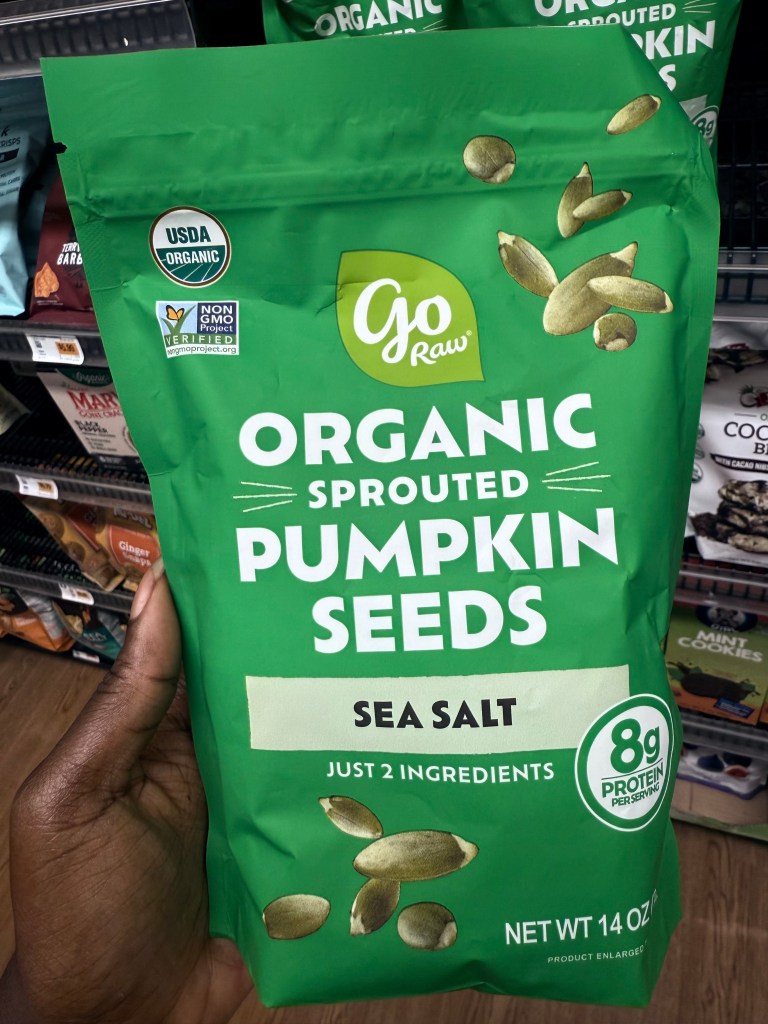
We use bioavailable, oil free (hidden in commercial dried nuts and seeds) food sources as nature intended to get the maximum absorption. The richest sources of naturally occurring magnesium are in cacao, sprouted, sprouted black beans, sprouted nuts, and sprouted seeds.
Magnesium is one of the hardest nutrients to obtain naturally. Especially in specific populations, it’s important to have a some recipes on the side to ensure our body receives ample amount of magnesium. For our chocolate lovers, check out my Magnesium Rich Cacao Banana Smoothie Recipe.
What Nutrient Best Retain Vitamin D?
We always hear about what best absorbs and activates vitamin D. We never hear about what retains vitamin D within the body. That is because the research about is understudied but is showing promising results.
The nutrient that best retain vitamin D is boron. Boron is a mineral that is used to support bone health, magnesium retention, and balance our testosterone levels. Boron is found in foods grown in born rich, dry soils. High boron foods are avocados, seeded raisins, and prunes. But after doing some reading, I found it all depends on location so I don’t solely rely on food.
My household supplement with liquid boron by Global Healing Center.
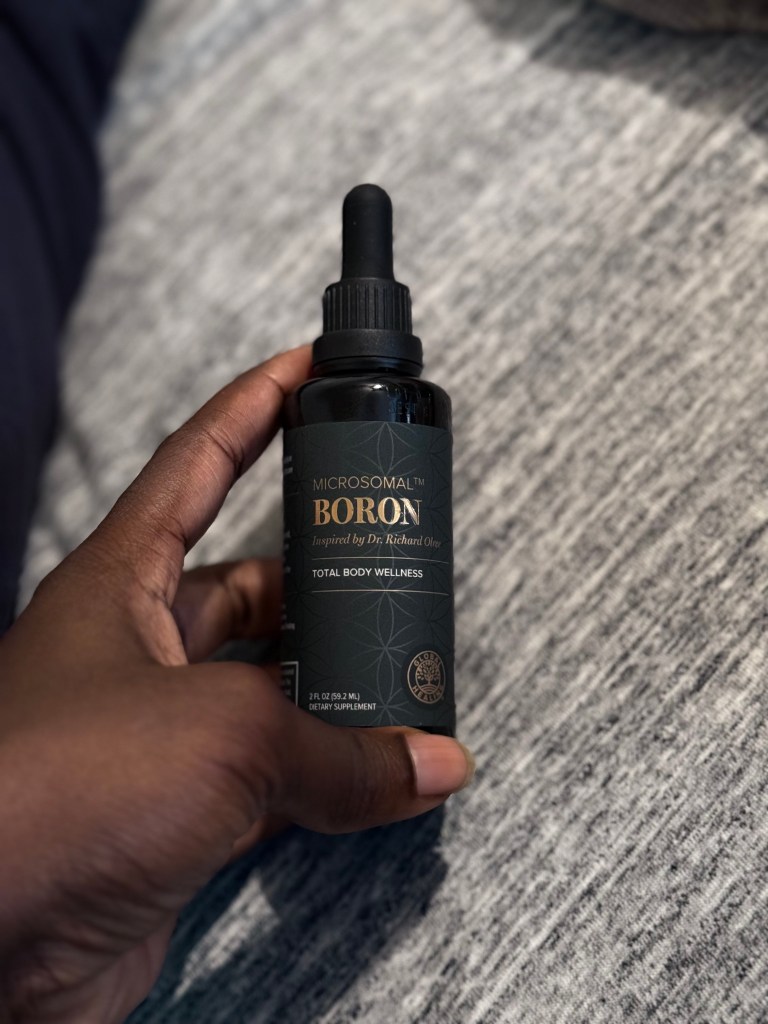
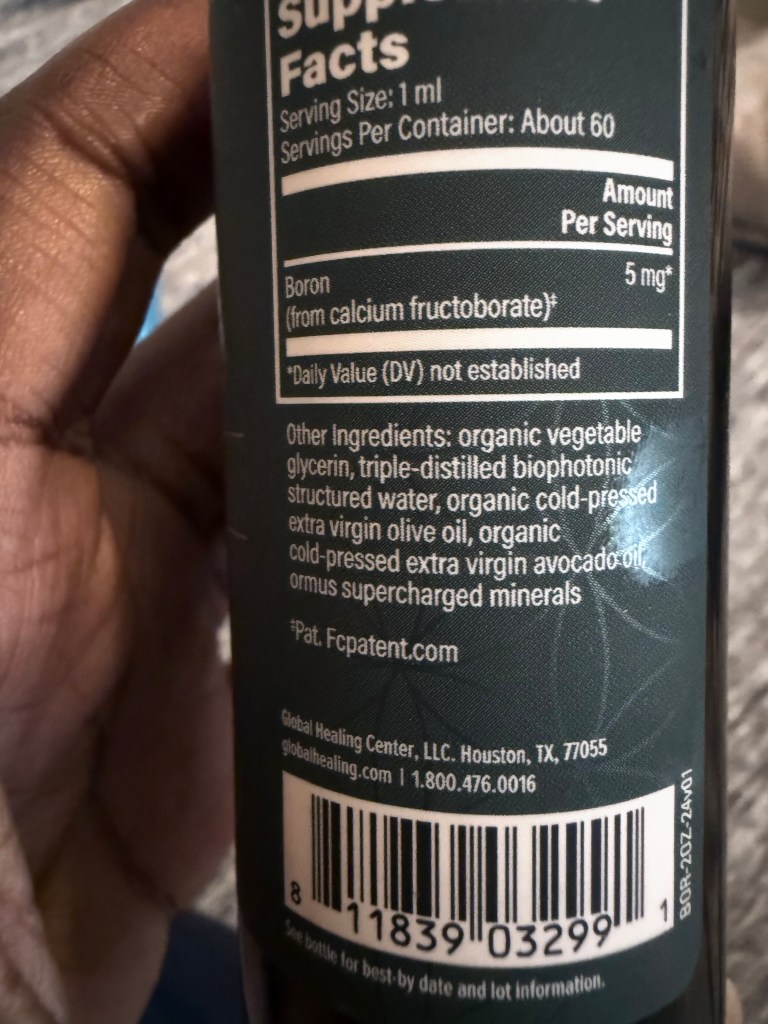
So yall… I will have to do another post on boron, because I’m just not sure why it’s not getting the attention it deserves. GHC Microsomal Boron is derived from fruit. Fruit Calcium fructoborate is one of the most bioavailable on the market.
I added boron to my Vitamin D absorption stack due to existing studies showing the mineral may retain nutrients like vitamin D and magnesium together. So instead of having expensive piss, our body’s continue to circulate these nutrients in the body. The fact that it’s liquid makes it so easy to add to my drinks.
Let me know if you have any other questions in the comment below!


Leave a Reply